 UNITED STATES
Adams Mining USA LLC
Houston, Texas
Parent company, strategic management, corporate governance, and international partnerships.
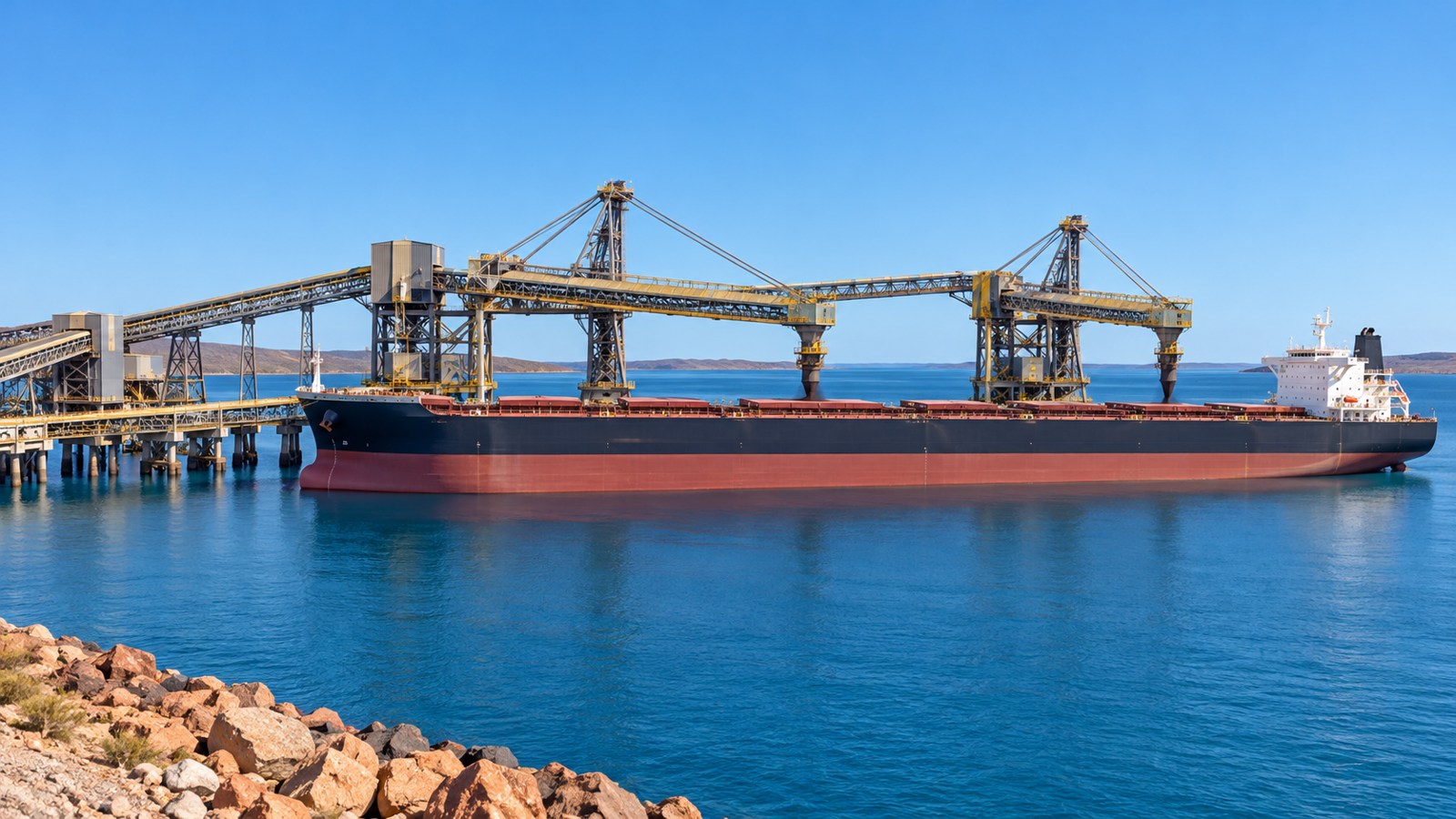
An integrated mining and trade platform connecting high-grade Honduran iron ore with industrial buyers and strategic capital.
USA /  Honduras /
 UAE15.7106° N 86.3522° W
Choose your area of interest for a focused introduction to our business.
Explore our mineral products, follow the mine-to-market journey, and specify your grade, volume, destination, and delivery requirements.
Configure a product request ↗Understand the corporate structure, leadership, operations, and sustainability approach. Request relevant information through a private business enquiry.
Explore investment partnerships ↗Explore opportunities across mining, processing, logistics, technology, and international market access, and introduce your proposed area of cooperation.
Explore our global presence ↗Adams Mining brings together US corporate leadership, Honduran extraction and processing, and a UAE commercial hub. The structure connects the mineral asset to international markets through coordinated operations, governance, and trade.
UNITED STATESHouston, Texas
Parent company, strategic management, corporate governance, and international partnerships.
HONDURASMining and processing
Extraction, mineral processing, quality control, and coordination of mine-to-port operations.
UNITED ARAB EMIRATESInternational commercial hub
Trade execution, customer relationships, commercial structuring, and shipping coordination.
Explore our mining operations portfolio in Honduras, Somaliland, Malaysia, and Suriname, supported by corporate leadership in the United States and a commercial hub in the United Arab Emirates.
Solid markers: supplied Honduras mine location and city references for Houston and Dubai. Ring markers: country-level references for Somaliland, Malaysia, and Suriname.
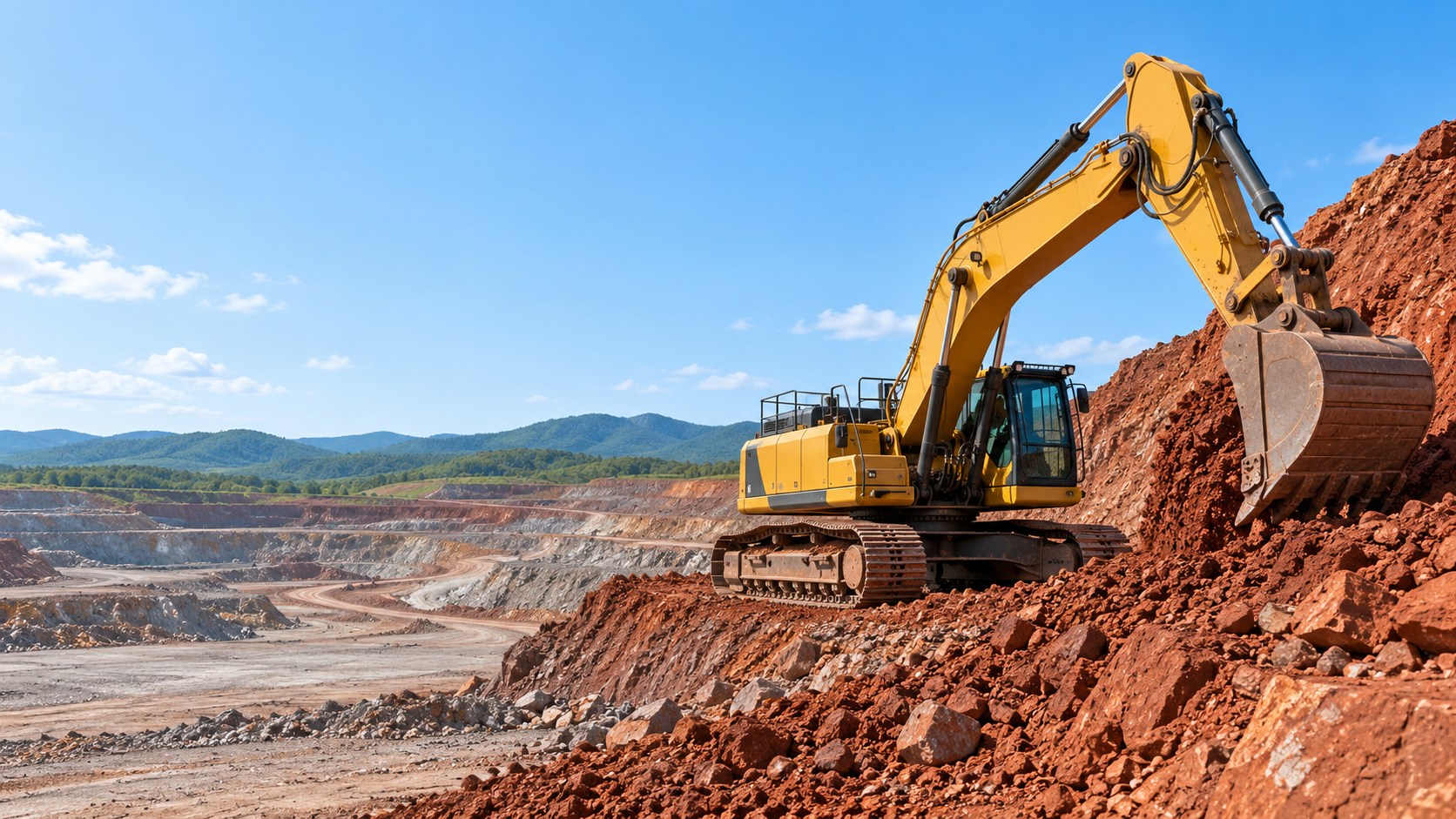
Our iron ore development programme combines extraction, crushing, processing, and export preparation within a coordinated operating model in Honduras.
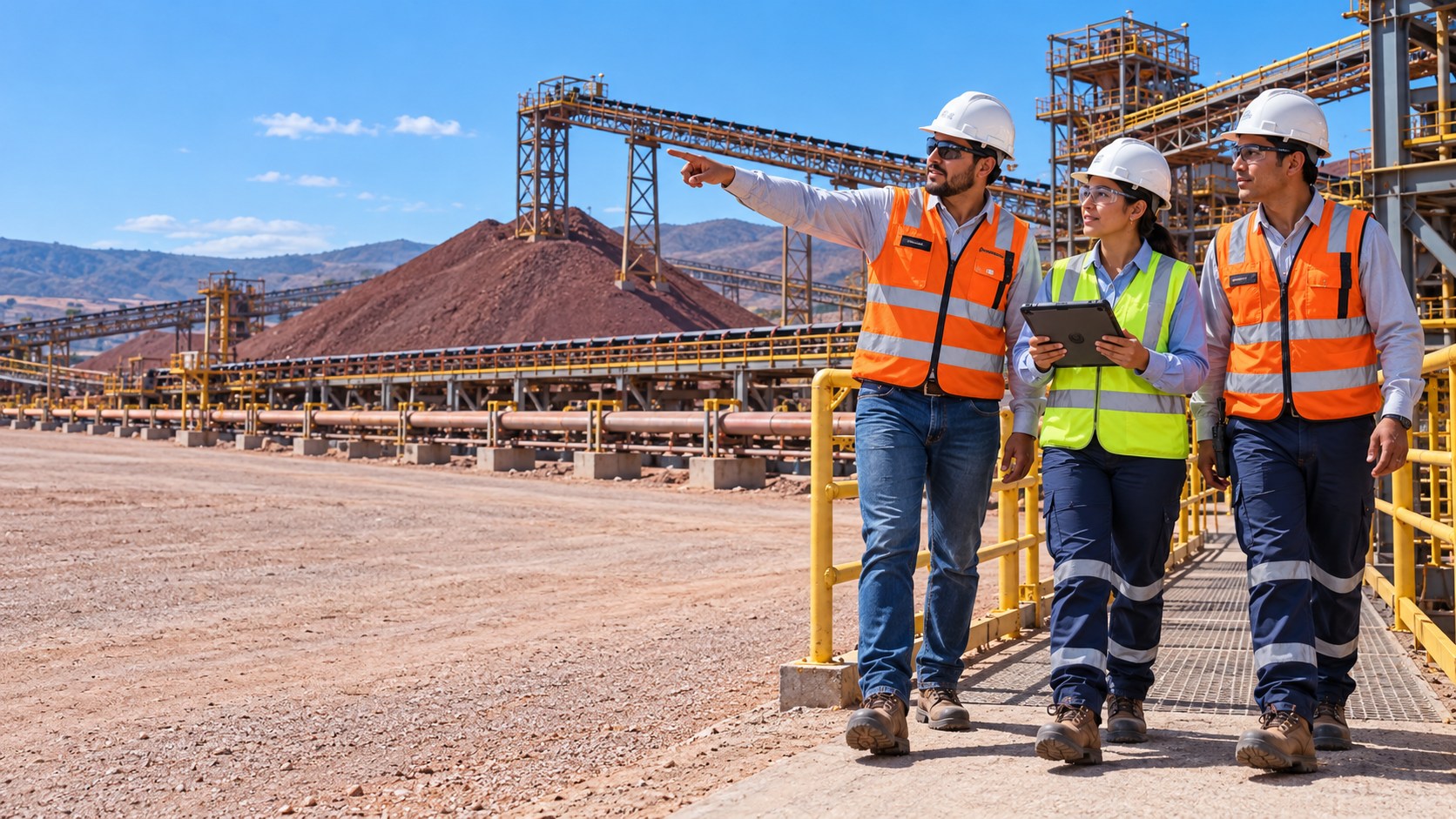
Safe work, technical competence, and coordinated teams connect every stage of the mining value chain. Our workforce framework brings together training, protective equipment, task planning, and clear operational responsibilities.
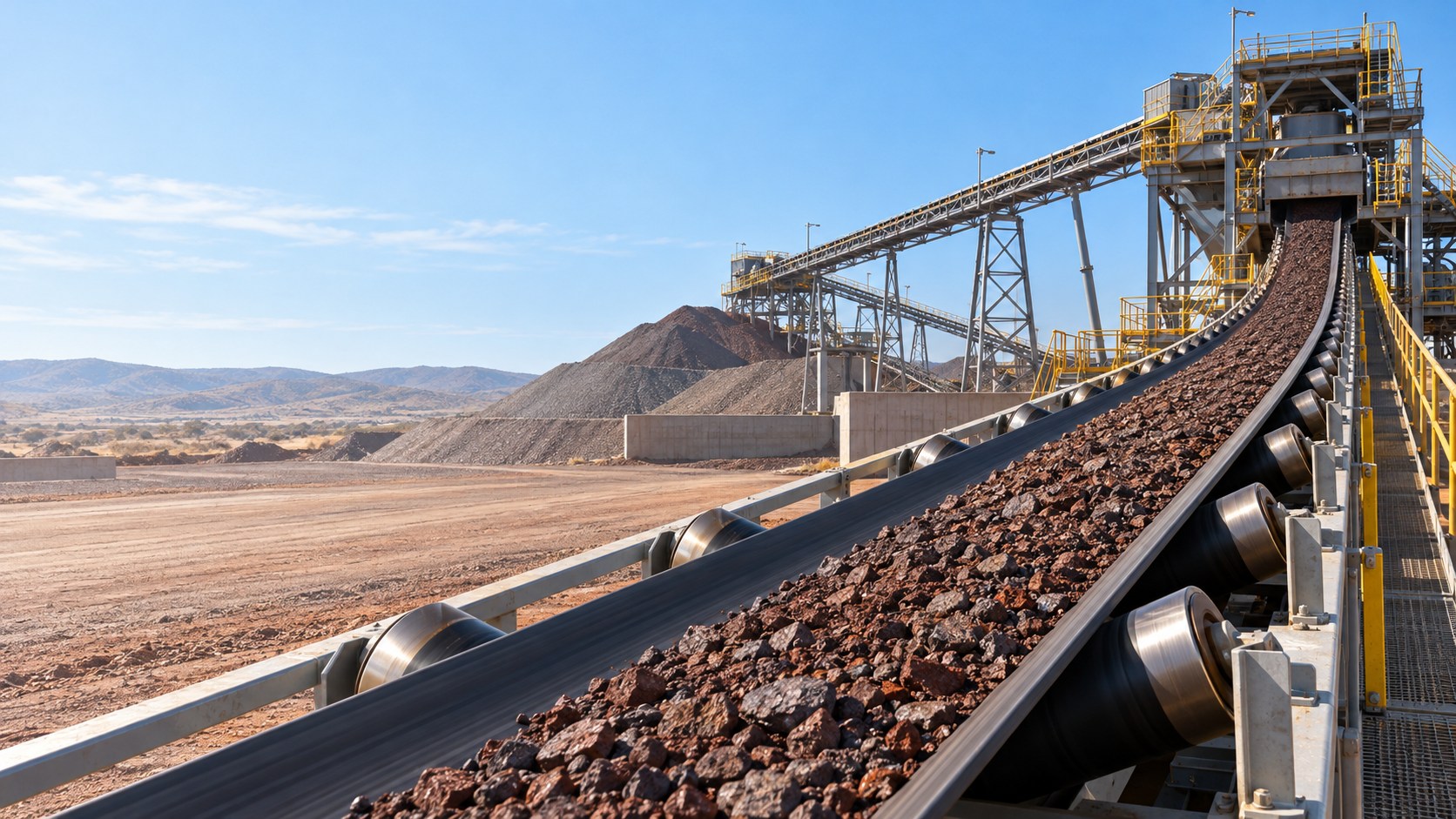
Conveyor systems connect crushing, screening, and stockpile handling within the processing value chain. Coordinated material flow supports product sizing, quality control, and preparation for shipment.
Mine planning, safe excavation, and controlled ore movement.
Crushing, screening, sizing, and stockpile coordination.
Sampling, assay documentation, and product conformity.
Haulage scheduling, terminal readiness, and cargo preparation.
Vessel loading, export documentation, and customer coordination.
Extraction → Processing → Quality control → Port handling → Global delivery
Mine planning connects safe excavation, controlled hauling, and feed preparation to the needs of the processing stage.
Mine planning · Excavation · Hauling · Feed preparation
Prepared ore feed moves to crushing and screening.
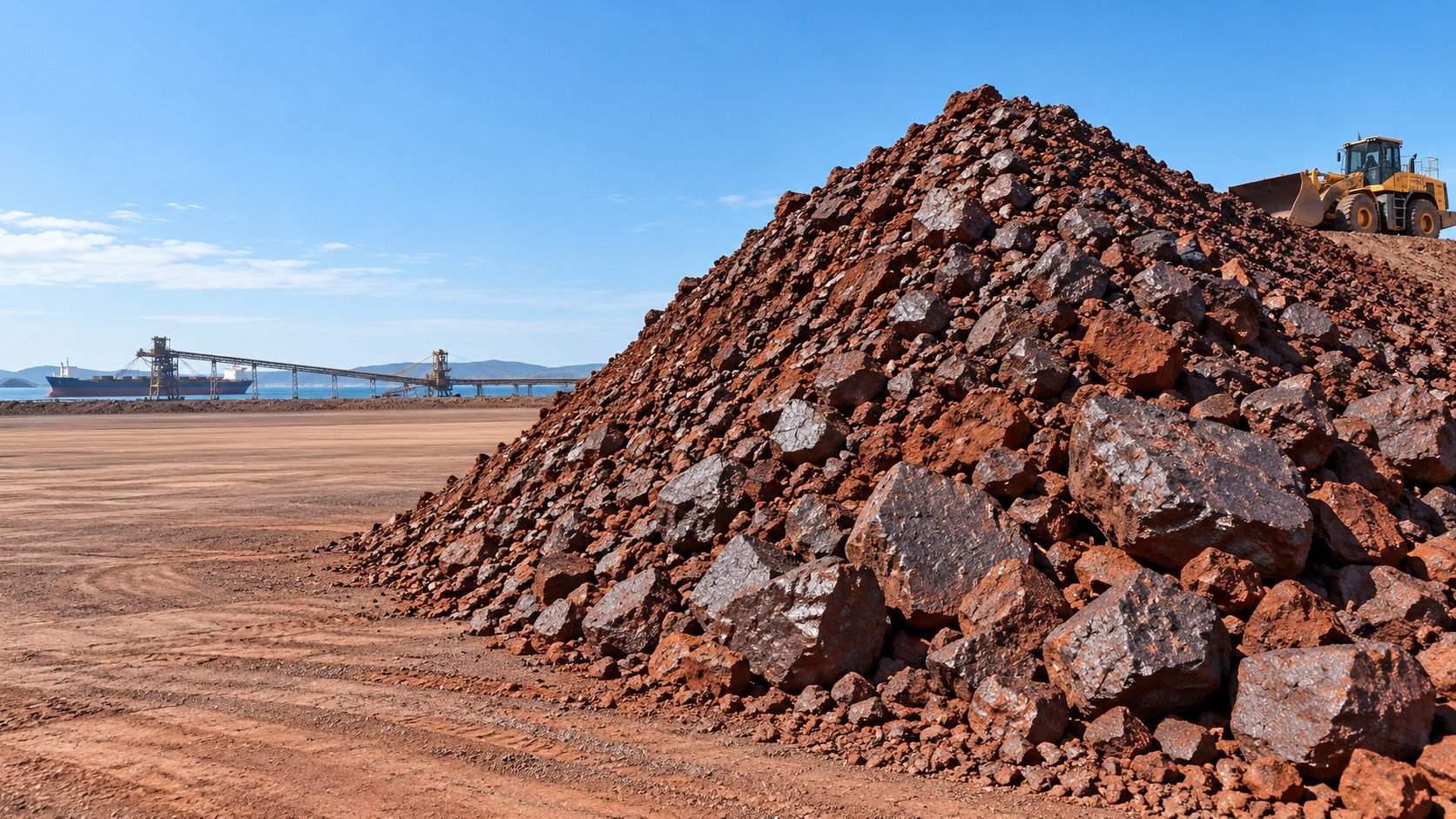
Iron ore is the core of our production programme. Commercial specifications are established for the relevant material, buyer requirements, and shipment, supported by laboratory documentation.
The 63–74% Fe range describes the project product portfolio. Individual shipment specifications are set out in the applicable assay and sales contract. The monthly production figure is the development programme target.
| COMMERCIAL PARAMETER | PRODUCT FRAMEWORK |
|---|---|
| Primary commodity | Iron ore |
| Project grade range | 63–74% Fe |
| Product sizing & moisture | Agreed by shipment |
| Chemical composition | Shipment assay documentation |
| Delivery structure | FOB / CFR / CIF, as contracted |
Configure a mineral supply request and review the summary as you go. Continue to the business enquiry form to add your company details and submit it to our team.
Follow iron ore, copper, and gold provider quotes below, with direct access to the SGX iron ore benchmark. Quotes update when the relevant market is open; provider delays and trading calendars apply.
Export logistics, ocean transport, and international commercial relationships.
Iron ore CFD: CNH provider quotation · Copper CFD: USD / lb · Gold spot: USD / troy ounce. Provider quotes are market references; Adams Mining sales prices are agreed by grade, shipment, and delivery terms.
Iron ore · SGX 62% Fe · USD / dry metric tonne: direct benchmark access below. A separate CNH-denominated iron ore CFD history is available below.
Explore the direction of iron ore, copper, and gold through interactive price histories. Each chart opens on a rolling two-year view, with daily observations and the latest available provider quotation.
Iron ore market direction, quoted in offshore Chinese renminbi (CNH). This broker reference differs from the SGX 62% Fe benchmark and the company’s high-grade product specifications.
Source & instrument ↗Copper metal provides the market reference for ore and concentrate discussions. Actual ore prices reflect assay, payable metal, recovery, treatment and refining charges, impurities, and delivery terms.
Source & instrument ↗Gold’s international spot reference, quoted per troy ounce. Material-specific values depend on contained gold, assay, payable recovery, and agreed commercial terms.
Source & instrument ↗Hover or touch the chart to inspect historical prices. The change beside each quotation relates to the selected chart period. Each market uses its own currency and unit; absolute price levels are not directly comparable. Feeds update automatically as providers publish prices. Market hours, holidays, and provider delays apply.
These are market references for price development. Company sales prices are established by material grade, assay, shipment, and contract. The iron ore chart is a CNH-denominated CFD reference; the SGX USD benchmark remains available in the market links above.
Selected global developments and outlooks across iron ore, steel, copper, gold, trade, and logistics. Original summaries connect the wider market to the mineral value chain.
Reviewed 27 Oct 2026: refreshed copper, gold and energy/shipping; retained verified iron ore trade and dated steel outlook. TradingView reports feeds/widgets operational (https://status.tradingview.com/); no discontinuation notice found. OANDA copper/gold pages remain listed; live widget quotes not verified. Iron ore page retrieval failed twice: individual availability unconfirmed. Automated two-year feeds and benchmark labels unchanged; review time is not a trade timestamp.
Reuters columnist Clyde Russell reports that China's iron ore imports rose 4.1% in January–September 2026, while port inventories reached 152.23 million tonnes in the week to 23 October. His analysis highlights purchasing negotiations between China's state-backed intermediary and Australian suppliers, with Fortescue warning of potential operational consequences if talks remain unresolved.
Contextual analysis: Import growth can reflect inventory accumulation rather than stronger steel consumption. Buyer concentration and contract negotiations warrant attention when assessing market access and shipment timing.
Worldsteel's 12 October outlook forecasts global steel demand of 1,722 million tonnes in 2026, broadly unchanged, followed by 1.7% growth in 2027. It expects demand outside China to grow 4.0% in 2027. India's projected expansion contrasts with continuing contraction in China; these are forecasts rather than realised consumption.
Contextual analysis: Regional demand divergence supports comparing customer markets individually. The forecast offers a dated planning reference for iron ore marketing, without establishing product-specific demand or company sales.
Reuters columnist Andy Home reports on 26 October that exchange copper inventories exceed 1.2 million tonnes, with metal concentrated in the United States amid tariff uncertainty. His commentary contrasts those holdings with tight Chinese availability and elevated import premiums, illustrating how policy is fragmenting the physical market.
Contextual analysis: Delivery location and trade rules can matter as much as headline inventories. Ore negotiations still require separate assay, treatment-charge and settlement terms.
Reuters reported on 26 October that gold recovered from the previous session's more than three-month low as easing oil prices reduced inflation concerns. Investors awaited the Federal Reserve's Wednesday decision and Thursday's US inflation release; expectations about borrowing costs remained an important influence on bullion.
Contextual analysis: The 28–29 October policy and data calendar warrants attention when assessing settlement timing and financing sensitivity; this is a dated event outlook.
Reuters reported early on 27 October that oil eased on diplomatic hopes but remained near six-month highs following attacks on Saudi Arabia. The report also describes intensified commercial-shipping incidents around Hormuz, indicating that energy supply and maritime security risks remained unresolved despite renewed regional talks.
Contextual analysis: Fuel, insurance and route disruption can affect delivered mining costs. Shipment budgets should use route-specific freight quotations and explicit allocation of shipping risk.
Sources checked daily · Article publication dates remain visible · “Why it matters” provides contextual analysis. Forecasts are attributed to their publishers.

Operational experience and international partnership development support a common strategy: build long-term value from the mineral asset and its commercial supply chain.
Mining operations and international commodities trade, with direct involvement in operational oversight and commercial execution.
International strategy, cross-border partnerships, and capital formation.
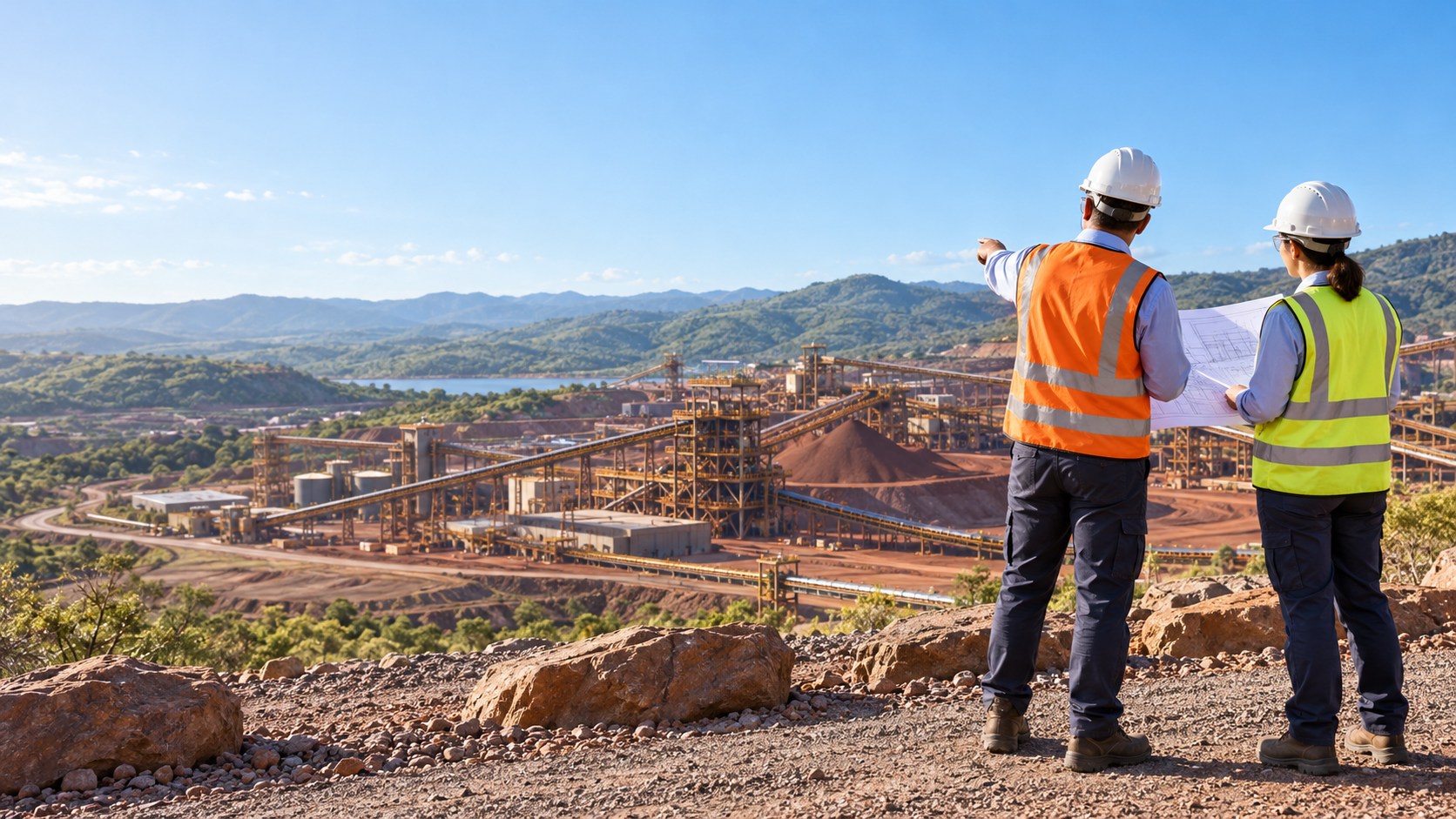
Leadership connects corporate direction, operational planning, and commercial delivery across the group’s mining and trading activities.
We engage with institutional investors, strategic industrial partners, and offtakers around the development and commercialisation of our Honduran iron ore platform.
Contact investor relations ↗Production planning, processing infrastructure, logistics, and working capital aligned with the mineral supply programme.
Corporate information, technical materials, project economics, and transaction documentation are shared directly through the authorised team under appropriate confidentiality arrangements.
Our sustainability framework connects operational responsibility with community development, the UN Sustainable Development Goals, Honduras's national development priorities, and a long-term Net-Zero 2050 pathway.
Worker safety, local employment, skills development, equal opportunity, and community priorities in education, healthcare, and clean water.
Water stewardship, environmental management, rehabilitation planning, and the development of Scope 1, 2, and 3 emissions baselines.
Clear responsibilities, transparent commercial practices, stakeholder engagement, and measurable indicators for sustainability reporting.
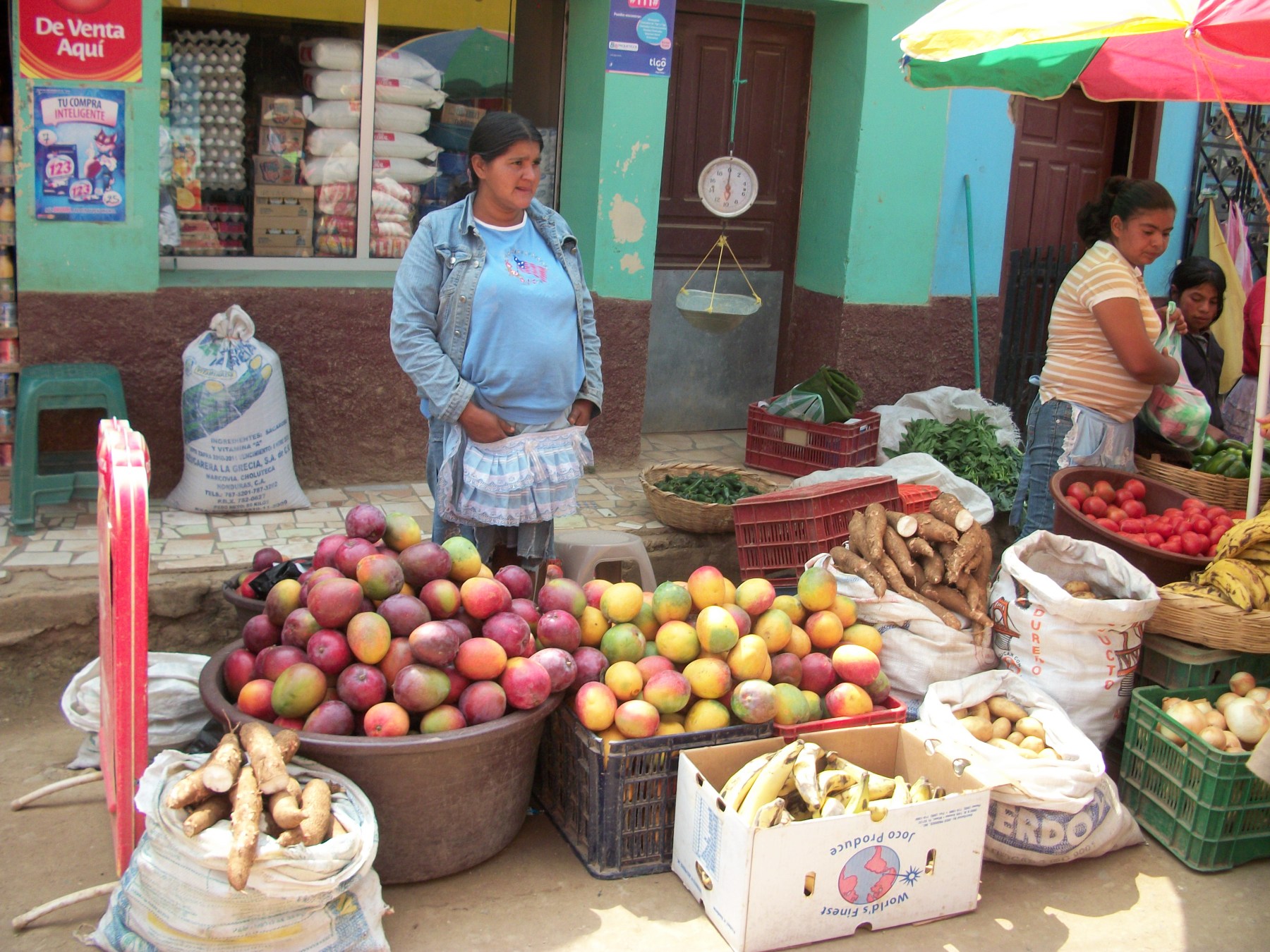
Honduras’s Indigenous peoples are part of the country’s living cultural heritage. Respect for identity, local livelihoods, and meaningful participation informs our approach to community engagement.

Our framework addresses all 17 Sustainable Development Goals. SDG alignment does not imply United Nations endorsement or certification.
Our mining sustainability framework links each Sustainable Development Goal to the decisions made across extraction, processing, workforce management, procurement, transport, and export. The following commitments define how the programme is designed and managed, with indicators for accountable delivery.
These are programme commitments and monitoring measures. They describe our operating framework; achieved outcomes and quantitative performance are reported against supporting records as implementation progresses.
01 / No povertyThe Honduran mining programme links mineral production to household income through direct employment, contracted services, and local purchasing. Community investment priorities complement the operating economy so that benefits extend beyond the mine workforce.
Prioritise local recruitment and accessible supplier opportunities; use transparent employment terms; identify community needs through consultation; connect training to actual operational vacancies.
Track local hires, wage payments, local procurement value, participating small businesses, and community programme expenditure. Review distribution of benefits as well as total expenditure.
SDGs 4, 8 and 10: skills lead to employment, while fair access helps spread the income benefit.
02 / Zero hungerMining can affect land access, water availability, and household purchasing power. Our framework links worker welfare and community food security to responsible land use and protection of neighbouring agricultural livelihoods.
Provide appropriate workforce meal and welfare arrangements; include agricultural water users in engagement; manage dust and runoff near productive land; assess community food initiatives with local partners.
Track land-use grievances, water-related complaints, local food procurement, and the reach of agreed nutrition or food-support activities.
SDGs 1, 3 and 6: income, nutrition, health, and clean water reinforce one another.
03 / Good health and well-beingExcavation, crushing, loading, haulage, and port interfaces create distinct health and safety exposures. The operating framework addresses dust, noise, moving equipment, fatigue, emergency response, and community road safety.
Apply task-based risk assessment, equipment isolation, traffic separation, PPE, occupational exposure controls, emergency drills, and access to medical response; include contractors in the same safety expectations.
Track recordable injuries, lost-time events, near misses, exposure monitoring, corrective-action closure, and emergency drill completion; use leading indicators alongside incident rates.
SDGs 8 and 11: safe employment and safe transport are part of responsible industrial growth.
04 / Quality educationA scaled mining and processing programme depends on trained operators, maintenance technicians, quality-control personnel, logistics teams, and supervisors. Education and technical training create a route into these roles.
Develop job-linked technical and vocational training; provide safety and environmental induction; work with local training institutions; support community education priorities through agreed programmes.
Track training hours, certification completion, apprenticeships, local recruitment following training, and progression into skilled or supervisory roles.
SDGs 1, 8 and 9: practical skills connect community opportunity to productive capacity.
05 / Gender equalityRecruitment, promotion, remuneration, and supplier selection shape who benefits from mining. Our framework includes women in technical, commercial, operational, and leadership opportunities.
Use equal-opportunity hiring, equal-pay review, suitable workplace facilities, anti-harassment procedures, confidential reporting, and fair access to training and advancement.
Track workforce and leadership representation, pay comparisons for equivalent roles, training participation, and resolution of workplace complaints with appropriate privacy protections.
SDGs 8, 10 and 16: fair employment depends on both inclusive practices and accountable governance.
06 / Clean water and sanitationExtraction areas, processing, dust suppression, sanitation, and stormwater management must be planned as one water system. Protecting receiving waters is as important as securing operational supply.
Maintain a site water balance; separate clean runoff from contact water; use sediment control and reuse where technically feasible; provide safe sanitation; monitor agreed discharge points and engage neighbouring users.
Track water withdrawal and reuse, water intensity per saleable tonne, discharge quality, sediment-control performance, and community water complaints.
SDGs 3, 12, 14 and 15: water controls protect people, productive resources, rivers, and downstream habitats.
07 / Affordable and clean energyEquipment selection, processing configuration, and transport planning influence the energy required per tonne. Energy efficiency and cleaner power are central to the long-term climate pathway.
Meter energy use; maintain engines and processing equipment; assess efficient motors, electrification, and renewable supply options against site reliability, engineering, and lifecycle cost requirements.
Track electricity and fuel consumption, energy intensity per saleable tonne, renewable electricity share, and implemented efficiency projects.
SDGs 9 and 13: sound engineering makes cleaner production commercially and operationally workable.
08 / Decent work and economic growthMining, processing, maintenance, road transport, port services, and trade create linked economic activity. The programme connects saleable iron ore production to decent jobs and export-oriented enterprise.
Use formal employment and contractor standards; prohibit forced and child labour; maintain worker grievance channels; develop local suppliers; align operating continuity with safe work and fair treatment.
Track employment, local payroll, contractor performance, supplier development, exports, and verified fiscal contributions alongside safety and labour indicators.
SDGs 1, 4 and 9 and Honduras Objective 3: employment and productivity are mutually reinforcing.
09 / Industry, innovation and infrastructureExtraction capacity, processing performance, quality control, roads, and port throughput must function together. Reliability across the chain determines whether mineral potential becomes consistent industrial supply.
Coordinate mine planning, equipment maintenance, processing design, sampling, digital records, and logistics scheduling; assess infrastructure resilience and shared-use opportunities with relevant stakeholders.
Track plant availability, recovery and yield where applicable, throughput, product conformity, unplanned downtime, and logistics performance.
SDGs 7, 8 and 12: efficient infrastructure supports output while reducing wasted energy and material.
10 / Reduced inequalitiesThe distribution of employment, procurement, and community investment matters alongside aggregate economic value. Our approach includes groups that may face barriers to participation.
Use accessible recruitment and engagement; offer transparent supplier qualification; consider disability and other access needs; maintain non-discrimination standards and an accessible grievance process.
Track participation across relevant groups, local supplier access, complaint outcomes, and the geographic distribution of agreed community initiatives.
SDGs 1, 5 and 16: inclusive opportunity needs consistent rules and meaningful channels for concerns.
11 / Sustainable cities and communitiesMine traffic, workforce presence, dust, noise, and road use affect neighbouring settlements. Community priorities therefore inform logistics, site management, and emergency preparedness.
Develop traffic and journey plans; manage speed, dust, and noise; coordinate emergency response with communities; protect cultural heritage through appropriate screening and chance-find procedures.
Track transport incidents, community complaints, road-safety actions, heritage incidents, and progress on agreed local infrastructure activities.
SDGs 3, 9 and 13: infrastructure must support economic access, safety, and physical resilience together.
12 / Responsible consumption and productionMaterial recovery, product quality, maintenance, and waste management influence the value obtained from each tonne extracted. Responsible production addresses both saleable ore and residual materials.
Use material accounting and grade control; manage waste rock and processing residues according to their actual characteristics; apply hazardous-material storage controls; reuse and recycle suitable materials.
Track material balances, saleable yield, waste quantities and destinations, spills, recycled materials, and product quality deviations.
SDGs 6, 9 and 15: resource efficiency works only when water, waste, and land controls are integrated.
13 / Climate actionDiesel use, purchased electricity, and the wider logistics and customer value chain define the programme’s climate footprint. High-grade ore may support downstream efficiency in suitable steelmaking routes; any benefit requires route-specific assessment.
Establish Scope 1, 2, and 3 boundaries and baselines; assess efficiency, cleaner energy, haulage optimisation, and physical climate hazards; connect reduction projects to engineering and capital planning.
Track absolute emissions, emissions intensity per saleable tonne, energy mix, reduction-project delivery, and climate adaptation actions. Publish targets and performance once baselines and plans are adopted.
SDGs 7, 9 and 12: energy, engineering, and resource productivity provide the practical levers for decarbonisation.
14 / Life below waterMine runoff can affect river systems, while port handling and shipping create coastal interfaces. Atlantic and Pacific logistics require attention to sediment, cargo containment, and pollution prevention.
Control erosion and suspended solids at site; monitor relevant receiving waters; use appropriate stockpile and cargo handling practices; coordinate spill prevention and response with logistics providers.
Track discharge quality, sediment incidents, marine or port spill events, corrective actions, and relevant contractor environmental performance.
SDGs 6, 12 and 15: upstream land and water controls reduce downstream environmental pressure.
15 / Life on landMining changes landforms and can affect habitats. The operating framework connects the disturbance footprint, biodiversity assessment, erosion management, and rehabilitation throughout the mine lifecycle.
Apply the mitigation hierarchy; protect sensitive areas identified through assessment; manage topsoil and erosion; plan progressive rehabilitation where feasible; maintain closure planning and cost review.
Track disturbed and rehabilitated area, vegetation establishment, biodiversity actions, erosion events, and closure-plan review milestones.
SDGs 6, 12 and 13: healthy land systems support water quality, resource stewardship, and resilience.
16 / Peace, justice and strong institutionsOwnership accountability, lawful operating conduct, transparent commercial practices, and respectful community engagement are foundations of a durable mining platform.
Maintain permit and compliance registers, contractual controls, anti-bribery standards, beneficial-ownership records, appropriate payment records, human-rights expectations, and accessible grievance mechanisms.
Track compliance reviews, corrective-action closure, ethics training, grievance handling, and verified reporting of relevant fiscal contributions; assess security arrangements against human-rights expectations.
SDGs 5, 8, 10 and 17: credible institutions and internal controls help turn commitments into consistent practice.
17 / Partnerships for the goalsThe US parent, Honduran operator, and UAE trade hub connect corporate strategy, physical operations, and international customers. Partnerships extend this chain to suppliers, training bodies, communities, and strategic capital.
Define responsibilities and information flows; use clear technical and commercial agreements; coordinate training and community programmes with relevant institutions; connect financing decisions to operational and sustainability delivery.
Track partnership milestones, supplier development, training outcomes, agreed community deliverables, and the quality and completeness of sustainability reporting.
All SDGs and Honduras Visión 2038: partnership is the delivery mechanism across the wider framework.
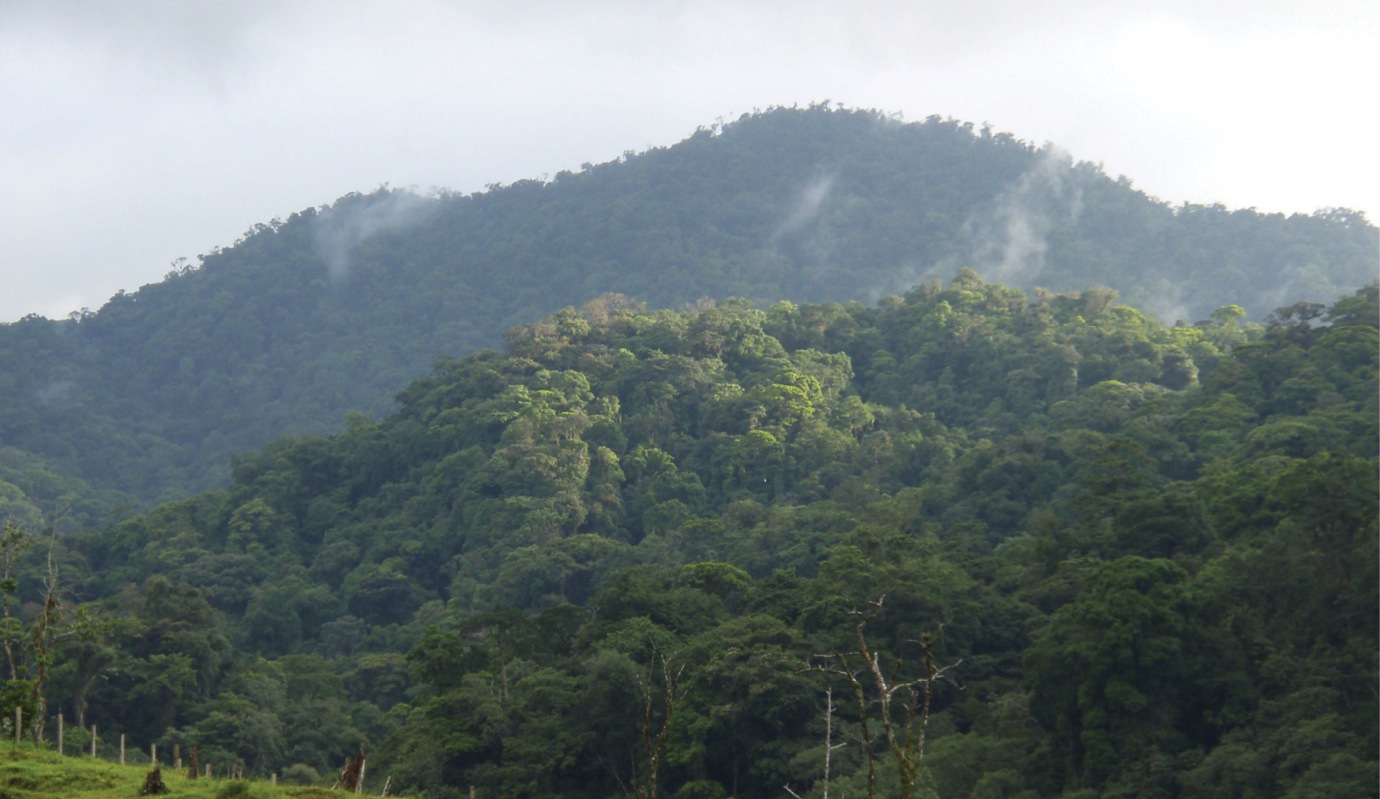
Protecting biodiversity, managing water, and planning rehabilitation connect responsible mineral development with the wider natural systems on which communities depend.
Premontane rainforest · La Liberación, Texíguat, HondurasA company ambition supported by Scope 1, 2, and 3 emissions measurement, operational efficiency, cleaner energy, and responsible logistics. The mark represents our climate programme, rather than an external certification.
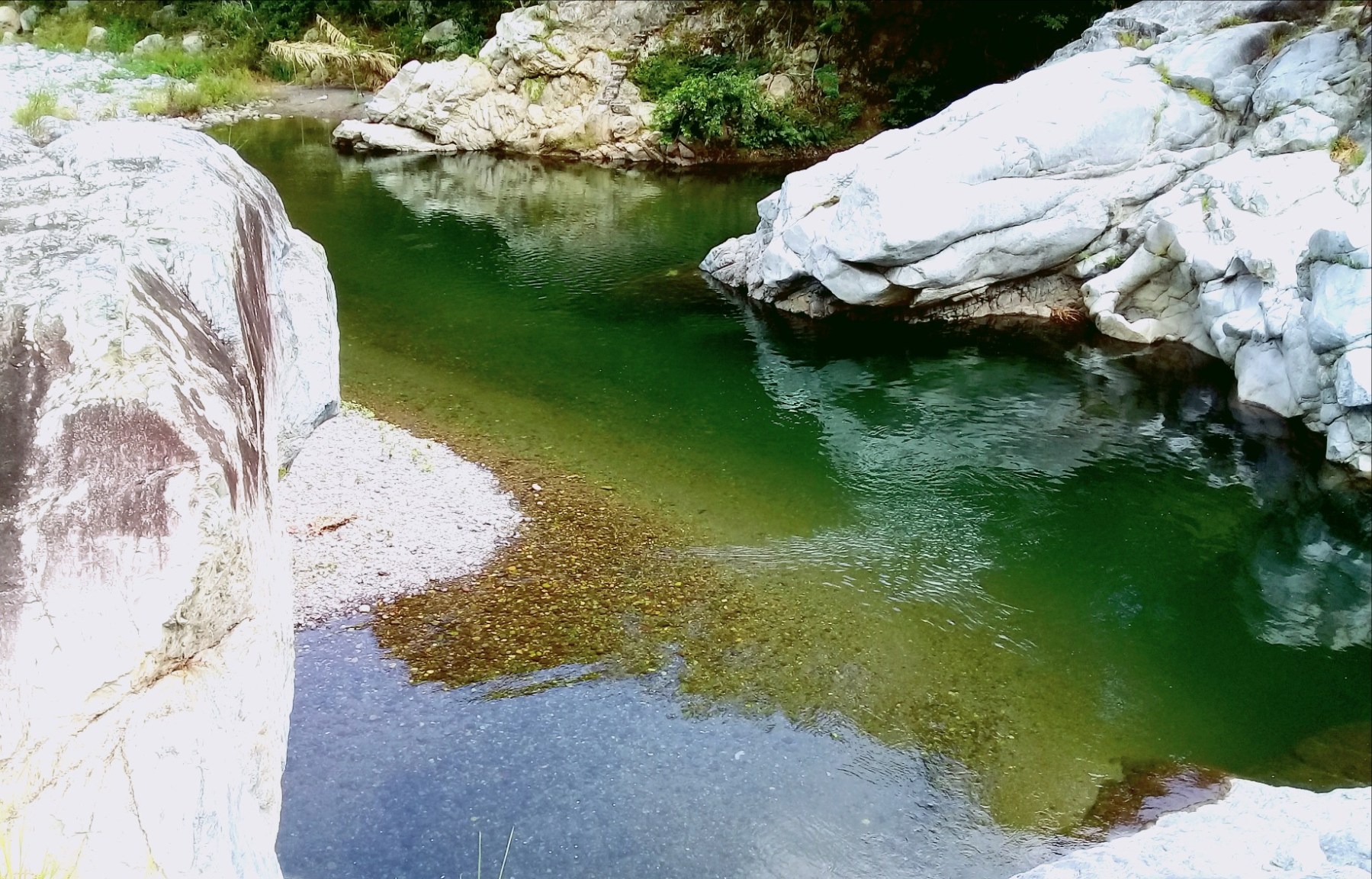
Honduras’s rivers and forested landscapes place water stewardship and environmental resilience at the heart of responsible development.
Río Cangrejal, La Ceiba, Honduras · Photograph by JMigdonio
Our Honduran mining programme is built around constructive cooperation with government, relevant ministries, technical authorities, and local stakeholders. This connects mineral development to employment, export activity, environmental responsibility, and the country’s long-term development priorities.
The cooperation framework brings together mining administration, environmental management, and economic development. Each institution retains its own statutory role; our operating team coordinates the corresponding technical records, compliance activities, and commercial interfaces.
Mining and geological administration. The technical interface covers mining-sector requirements, geological and operating information, and the administrative framework relevant to mineral development.
Our focus: clear technical documentation, responsible resource development, and consistent operating records.
Institutional website ↗Secretaría de Recursos Naturales y Ambiente. Environmental management connects the mining programme with water stewardship, pollution prevention, land management, biodiversity, and climate resilience.
Our focus: environmental procedures, monitoring records, rehabilitation planning, and accountable management of site impacts.
Ministry website ↗
Investment, enterprise, and international trade. Productive mineral development links industrial activity to local enterprise, market access, and export-oriented economic growth.
Our focus: commercial readiness, supplier participation, international partnerships, and coordinated trade documentation.
Ministry website ↗The Visión de País 2010–2038 sets a long-term national development horizon. Its accompanying Plan de Nación 2010–2022 was an earlier implementation framework. We connect the Honduran mining programme to the Vision’s social, economic, environmental, and institutional objectives through the operating commitments below.
This is Adams Mining’s assessment of project alignment. National development objectives provide the policy context; the actions and indicators define our project-level contribution.
The mine-to-export value chain connects Honduran mineral resources to processing activity, skilled employment, local services, and international markets. Its contribution depends on managing resource productivity and environmental protection together: output, jobs, and exports are assessed alongside water use, land disturbance, energy consumption, and climate resilience.
| NATIONAL OBJECTIVE | OUR OPERATING LINKAGE | DELIVERY & MONITORING | CONNECTED SDGs |
|---|---|---|---|
| 1 / Social development Poverty reduction, education, health, and social protection. | Local recruitment and purchasing connect mine activity to household livelihoods. Technical training, worker health, and agreed community initiatives extend that contribution. | Local payroll and purchasing; training completion; safety and health indicators; delivery of agreed education, water, and community activities. | 1 · 2 · 3 · 4 · 5 · 6 · 10 |
| 2 / Democratic and secure development Participation, security, and reduced violence. | Respectful engagement, accessible grievance channels, fair labour practices, clear land arrangements, and responsible security support stable relationships around the operation. | Consultation records; grievance resolution; contractor conduct; community road safety; security and human-rights reviews. | 8 · 10 · 11 · 16 |
| 3 / Productive and resilient Honduras Employment, sustainable resource use, and lower environmental vulnerability. | Extraction, processing, local enterprise, and exports form the economic contribution. Energy efficiency, water stewardship, rehabilitation, and climate adaptation govern how that contribution is delivered. | Jobs and local supplier value; saleable output and exports; energy and water intensity; disturbed and rehabilitated land; emissions and adaptation milestones. | 6 · 7 · 8 · 9 · 12 · 13 · 14 · 15 |
| 4 / Effective public institutions Modern, responsible, efficient, and competitive government. | Our contribution is through transparent company conduct: documented compliance, accurate reporting, lawful fiscal payments, and clear interaction with authorities. | Compliance-register review; documented submissions; verified fiscal contributions; ethics training and corrective-action closure. | 16 · 17 |
The SDGs, Honduras Visión 2038, and Net Zero 2050 are connected through the same operating decisions. They use different horizons: the SDGs guide the 2030 development agenda; the Honduran Vision provides the national 2038 context; the climate ambition extends to 2050.
Mine planning → processing → quality control → logistics → exports. Training and local procurement connect this industrial chain to SDGs 1, 4, 8, and 9 and national Objective 3.
Water, energy, waste, land, and transport decisions connect SDGs 6, 7, 12, 13, 14, and 15 to Objective 3 and the Net Zero pathway. Efficiency gains are assessed alongside absolute impacts.
Worker welfare, inclusion, consultation, and compliance connect SDGs 3, 5, 10, 11, 16, and 17 to Objectives 1, 2, and 4. Clear responsibilities and records support delivery across all three frameworks.
The Honduran operating company translates the framework into site procedures, workforce practices, environmental controls, and operating records. The US parent provides strategic oversight and consolidates performance. The UAE trading hub coordinates commercial documentation, customer requirements, and logistics interfaces.
The reporting framework brings production, workforce, local procurement, safety, water, energy, land, emissions, community engagement, and compliance into a shared review. Measures use consistent boundaries and reporting periods so that commercial performance and development outcomes can be assessed together. Material incidents and gaps inform corrective actions, budgets, engineering choices, and subsequent operating plans.
National framework references: Visión de País 2010–2038 / Plan de Nación 2010–2022 · UNEP legal framework reference. Operational cross-mapping: Adams Mining sustainability framework.
Tell us about your organisation and the opportunity you would like to discuss. Your enquiry will be recorded for review by the Adams Mining team.
ProductsOfftakeInvestmentStrategic partnershipsHow we use your information
Adams Mining uses the details you submit to assess and respond to your business enquiry. Enquiries are stored for business follow-up and are accessible through the authorised company inbox. Please do not include passport copies, banking credentials, or other sensitive documents in your message.
You can also contact us through the company email addresses or WhatsApp below.
Connect with our team for industrial supply, strategic partnerships, and investment enquiries.
Speak with our team about products, offtake, or strategic partnerships.
UAE · +971 50 681 8561 ↗Use WhatsApp Web instead ↗